It is a very common scenario, and foreigners almost never think about the math behind it.
Henrik looks at Pae across the table and makes a completely reasonable, practical argument.
“Could you just register the SIM card in your name? And put the condo Wi-Fi under your ID? And take out the motorbike loan for me? I’m a foreigner, the paperwork is a nightmare.”
It makes total sense on paper. Financing a new scooter is cheaper than renting one month-to-month, and once it’s paid off, she gets to keep a brand-new bike. Besides, Henrik isn’t a tourist. He is here for good.
Six months later, Henrik flies back to Europe “for a week.”
A month passes. Then two. The automated billing texts start arriving on Pae’s phone. The broadband bills, the mobile plan for the Thai SIM card registered under her ID but sitting in his phone abroad, and the monthly finance installments for the scooter. Meanwhile, the condo sits empty and unpaid until the landlord finally clears it out and moves new tenants in.
The internet provider demands the return of their equipment—two cheap plastic routers that Henrik left sitting behind the TV. Because she has to settle the account to clear her name, the unreturned hardware penalties and accumulated fees snowball to nearly 5,000 baht.
For the next fourteen months, Pae pays for everything from a distance.
She clears the final broadband penalties and the router fines. She keeps paying the monthly cellular plan for the Thai SIM card under her name, because the automated bills keep hitting her app. And she stays hooked because every few weeks, his reassuring voice notes—”Don’t worry, teerak, I’ll wire you the money this week”—pop up on her Line app.
She pays the monthly installment for a motorbike she doesn’t even ride, because she already owns an old scooter that runs fine. But her name is on the green registration book, and her credit score is tied to a handshake agreement with a man six time zones away.
She carries the ghost debt in silence until it is finally cleared.
Two years later. It is 3:00 AM.
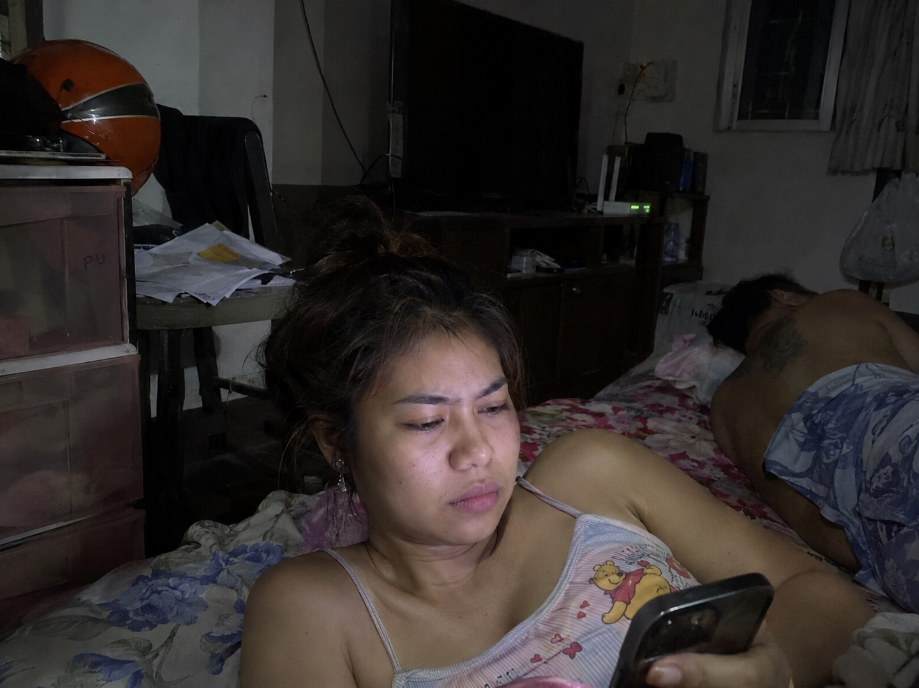
Pae is lying in the dark. Her phone screen lights up with a message from an unknown international number:
“Is this Pae? Why isn’t my Thai SIM working anymore? I’m landing in Bangkok tomorrow.”
He doesn’t ask how she is doing. He doesn’t ask about the fourteen months of cellular bills she covered before finally letting the line die, the redundant scooter payments, or the router fine she had to clear out of her own pocket. He doesn’t care about the financial wreckage he left behind. He just wants to know why his old digital identity isn’t ready for his return.
From the other side of the bed, a sleepy voice stirs in the dark.
“Who are you texting at this hour?”
Pae stares at the glowing screen, locks the phone, places it face-down on the mattress, and whispers back into the dark:
“Nobody. Just scrolling TikTok.”
Leave a Reply