The financial transaction is complete. The monthly wire transfer has successfully cleared the international banking system and landed in a Kasikorn account.
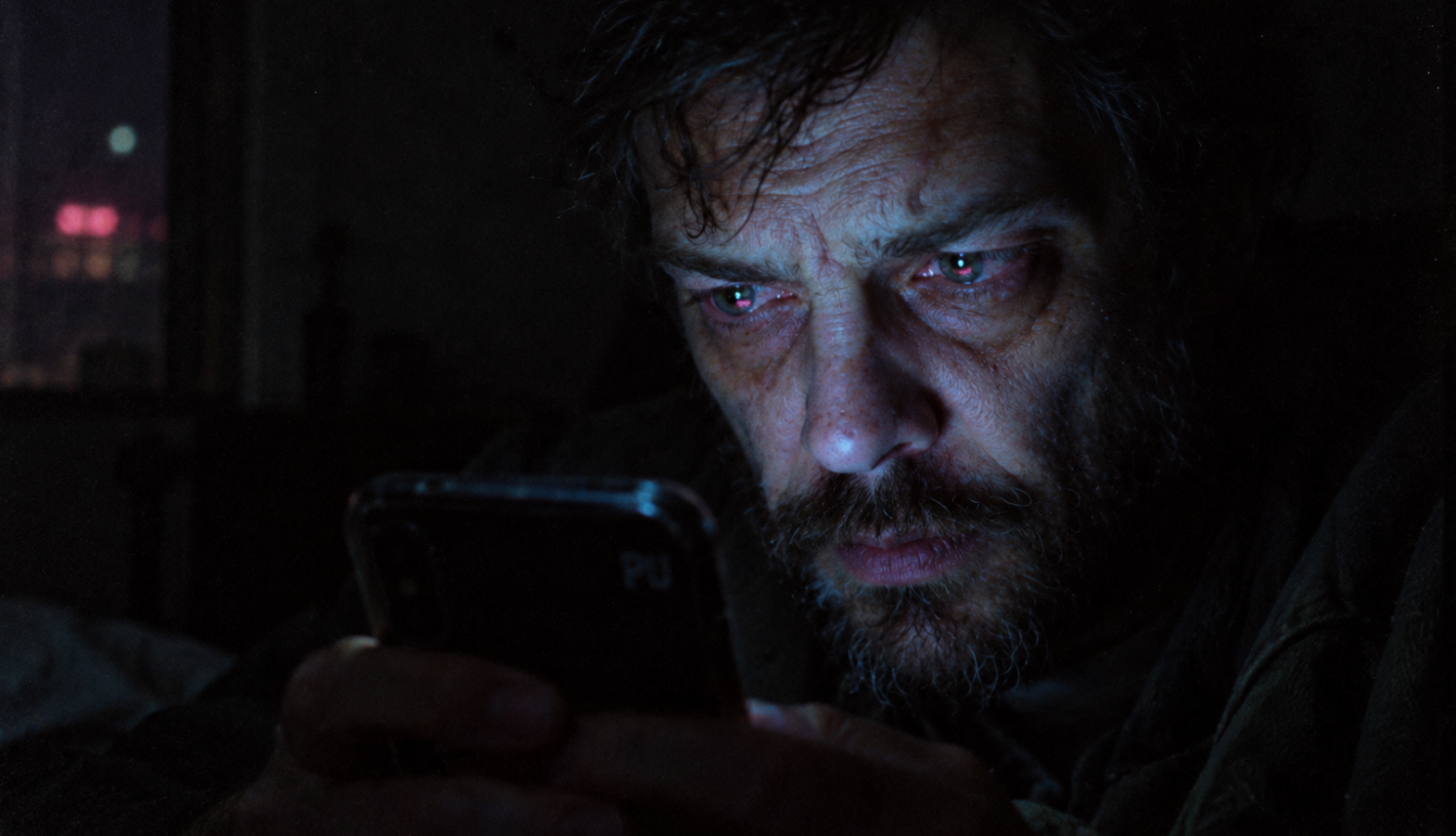
Half a world away, a Western man sits in a cold, gray apartment in Europe. The temperature outside is near freezing, but he feels secure. His phone buzzes at exactly 9:00 PM Thai time. The message is a classic, comforting script: “I sick, headache, go to sleep na tirak.”
He replies with a heart emoji. He feels a quiet surge of validation. The investment is safe. The “Take Care” subscription is working. She is safely tucked into the condo that he pays for, resting.
But then the clock strikes 4:15 AM in Thailand.
He is lying in his own bed, thousands of miles away, fighting time zones and insomnia. He picks up his phone. He opens WhatsApp. He checks LINE. He casually refreshes a cached ThaiFriendly profile. And there it is, burning like a laser through the digital darkness: the tiny, bright green dot.
Online.
In a fraction of a second, the comforting illusion evaporates, replaced by a psychological torture chamber. That tiny green pixel does not represent a woman simply waking up to drink a glass of water and check her notifications. To his sleep-deprived brain, that green dot is a live feed into the neon grid.
His mind immediately violently fills the void. He hears the heavy, pulsing bass of a Walking Street club. He visualizes the ice clinking in a glass of SangSom. He imagines the exact, agonizing moment she rests her phone face-down on a sticky glass table, right after sending a quick text, turning her attention back to the stranger sitting next to her on the leather sofa.
Before smartphones, distance provided the mercy of plausible deniability. You sent the money, you read a letter or took a scheduled phone call, and you slept peacefully. The ignorance was the armor.
But modern technology has stripped that armor away. It sells the illusion of absolute control but delivers only hyper-vigilance. The read receipts, the “last seen” timestamps, the GPS location tracking—these aren’t tools for connection. In the context of the Pattaya ecosystem, they are instruments of self-inflicted psychological warfare.
The tragic irony is that she might actually be in bed, scrolling through TikTok out of sheer boredom. But the truth doesn’t matter. The ecosystem has already trained him to expect the worst. And so, every single night, across different time zones, hundreds of men sit in the dark, staring at a glowing green dot, slowly going completely insane.
Leave a Reply