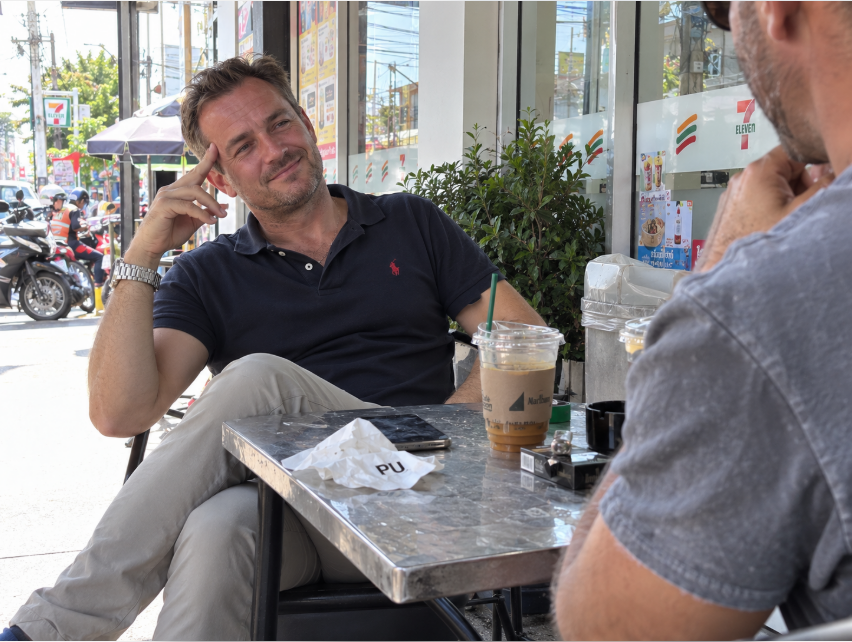
It always happens the exact same way. You are at a rooftop bar in Sukhumvit, or maybe a beachfront café in Phuket. You meet another expat. You do the usual introductory dance: where are you from, what do you do, how long have you been in Thailand. Then they ask where you live.
You say, “Pattaya.”
There is a microsecond of silence. A slight shift in their posture. A raised eyebrow. Then comes the condescending, knowing smile, followed by the inevitable question, heavily disguised as polite curiosity: “Really? Why there? Aren’t you bothered by the… environment?”
What they are actually asking is: “Aren’t you ashamed?”
Thailand has a very strict, unspoken expat caste system. Chiang Mai is reserved for enlightened digital nomads, vegans, and spiritual seekers. Phuket is for the crypto-wealthy and families projecting a luxury lifestyle. Bangkok is for the corporate hustle and the sophisticated urbanites. Hua Hin is for respectable, quiet retirees playing golf.
In this geographical hierarchy, Pattaya is the dirty secret. The quarantine zone. The assumption is immediate and brutal: if you choose to live in Pattaya, you are part of the degenerate machinery. You are stamped with the scarlet letter of the neon grid.
Newer Pattaya expats often fall into the trap of defending themselves. They instinctively try to justify their choice. They talk about the unbeatable infrastructure, the affordable rent, the fantastic international hospitals, the lack of traffic compared to Bangkok, and the easy logistics. But it’s useless. The expat from the “respectable” province isn’t listening. He is already looking down on you, thinking, “Sure, buddy. We know exactly why you actually live there.”
But if you strip away the ego and look at the actual mechanics of the expat ecosystem, this geographical morality looks a lot like pure hypocrisy.
What exactly are these people hiding behind their expensive zip codes?
The Bangkok executive looking down his nose at Pattaya is quietly slipping into discreet, high-end soapy massage parlors around Phrom Phong or lounges in Ekkamai, terrified his corporate colleagues will catch him walking out the door. The enlightened Chiang Mai nomad is frantically swiping on dating apps every night, frustrated that local women aren’t treating him like a deity for his mediocre drop-shipping income. The Phuket family man is quietly drowning in debt, paying triple the price for a subpar villa and a bloated lifestyle just to maintain the illusion of high status for his friends back home.
They all participate in the exact same transactional ecosystem. The only difference is the packaging.
Expats in other provinces pay a massive premium—in rent, in stress, and in daily lies—just to pretend they are above the game. They need a “clean” city to sanitize their own shadows. They point at the grit of Walking Street so they don’t have to look at their own reflections.
The veteran Pattaya expat eventually stops arguing. He doesn’t justify the hospitals or the cheap rent anymore. When someone from Bangkok or Phuket asks him with that same condescending smile if he is ashamed to live in the city of sin, he just smiles back.
He doesn’t need a geographical shield for his ego. He has achieved a rare kind of peace. He lives in a city that does not pretend to be anything other than exactly what it is. Pattaya is brutally, unapologetically honest about human nature.
It is usually the people who hate it the most who are terrified of their own.
Leave a Reply