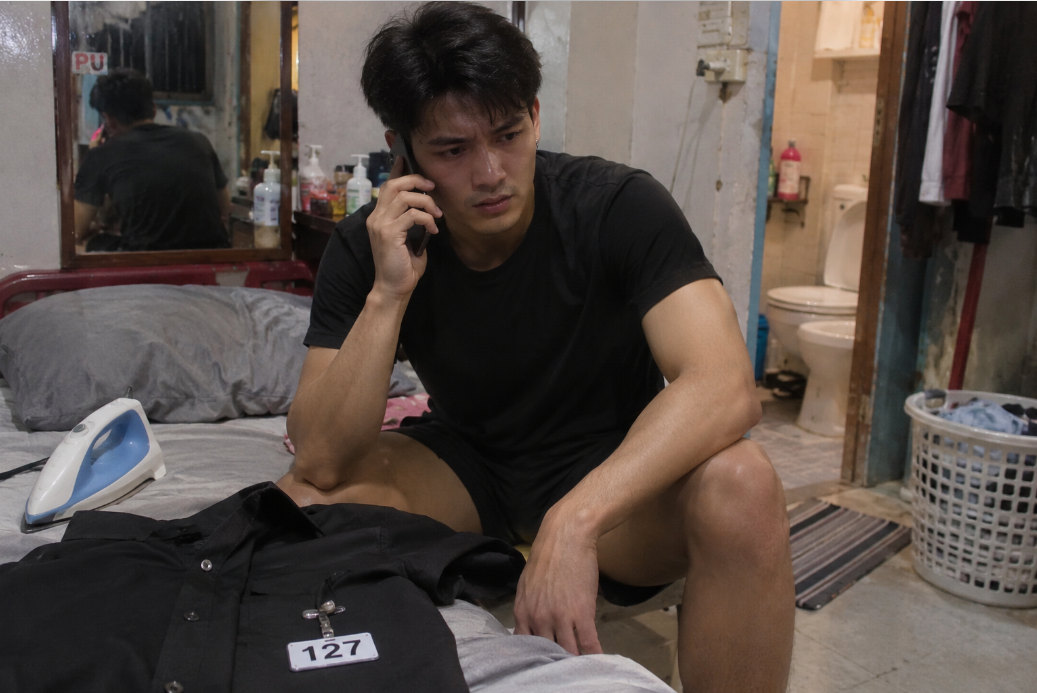
Bam was twenty-one years old when he left Khon Kaen, carrying a single duffel bag and two gifts from nature that rarely go well together.
The first was a face that made Thai girls lose their minds—sharp jawline, clean skin, and the effortless, slightly brooding look of a Bangkok television actor. He had known since he was sixteen that his face was a magnet. The second gift was an alcoholic father who had mortgaged every square meter of the family land, buried them in informal debt, and finally drunk himself into liver cirrhosis. With his mother aging fast and a seventeen-year-old sister still in school, there was only one road left on the map that paid fast enough to keep the roof over their heads.
He didn’t go to Walking Street. He went two blocks off the tourist grid, straight into one of Pattaya’s cavernous Thai host clubs—a massive, neon-drenched warehouse of loud mor lam remixes, ice buckets, and leather booths that most foreigners walk past every night without ever realizing exists. He pinned a plastic number badge onto his fitted black shirt and went to work.
Being worshipped by women was nothing new to Bam; he knew how to smile, pour whiskey, and make exhausted Bangkok office workers and local businesswomen feel like queens for a few hours. The real shock of Pattaya was discovering that his face was equally valuable to men—including foreign expats—and wealthy ladyboys. Bam only liked girls, so he treated the rest strictly as a detached, clinical side hustle. Keep the lights off in your head, clink the glasses, collect the cash garlands, and watch the clock until closing time. The money was good, and almost every baht went straight through his banking app back to Khon Kaen.
Then he met her.
She worked a couple of sois over in the foreign go-go circuit. Every night after her shift ended at two in the morning, she would walk into his host club still smelling of expensive perfume and menthol cigarettes, blowing the cash she had just made off foreign men to buy drink packages and flower garlands for Bam. Some nights she even brought her foreign customers along with her—seating them at a VIP booth and smoothly steering them into buying drinks for Bam, too, while he played along with a polite, practiced grin.
It was a strange, balanced ecosystem—until the morning she knelt over the toilet in his cramped rented room, violently sick, and looked up at him with wet eyes to tell him she was pregnant.
Bam stood in the doorway of that tiny bathroom, listening to the hum of the cheap air conditioner, and saw the ghost of his own father—a man who had ruined every person who ever depended on him. Right there on the damp tile floor, Bam swore to himself that he would not become that man. He would not run.
Reality, however, did not care about noble promises.
She had to stop working immediately. Her own family back in the provinces still depended on her monthly transfers, and now there were clinic visits, vitamins, and rent to cover. Bam drank more cheap whiskey to keep smiling through the noise, and watched the amount left over for his own family in Khon Kaen shrink smaller and smaller every month.
Then, on a humid evening just as he was ironing his black host shirt before a shift, his phone buzzed on the mattress.
It was his seventeen-year-old sister. Over the faint crackle of the line, her voice sounded unusually small as she asked if she could stay at his room for a couple of days—just until she found a place of her own.
Bam froze, the hot iron hovering an inch above his collar. “What room? What are you talking about?”
Silence hung on the line for three heavy seconds before she answered quietly. Father had taken a bad turn, there wasn’t a single baht left in the house, and Mom had finally packed her bag that morning and told her, “Go to Pattaya, just like your brother.”
Leave a Reply