The anatomy of a trap in Pattaya is never a sudden drop. It is a slow, methodical descent built on four very specific, consecutive transactions. Arthur, a 47-year-old municipal civil servant from Sheffield, did not fall into ruin overnight. He simply paid the tolls, one by one, until he couldn’t afford the ticket back to reality.
It started with the Price of Entry. Arthur didn’t walk into the open-air bar because he was desperate for physical intimacy. He walked in because for the last twenty years in the UK, his life had been a loop of damp weather, endless council meetings, and being entirely ignored by society. When he sat on the cracked vinyl stool, the girl behind the counter, named Ploy, didn’t just hand him a cheap local rum. She handed him absolute, undivided attention. She laughed at his jokes. She touched his arm. For a few baht, Arthur wasn’t buying a drink. He was buying the feeling of being the most interesting man in the room. It was an impossibly cheap price for human validation.
Two weeks later, the dynamic shifted to the Price of Retention. Arthur hated the thought of Ploy smiling at other men the way she smiled at him. He wanted a monopoly. So, he made the classic expat calculation: he offered her a monthly allowance so she could quit the bar. Arthur told himself he was rescuing her from a degrading industry. The economic reality was much colder. He was simply paying a corporate retainer fee to secure exclusive rights to her time. He didn’t buy her freedom; he just privatized her shifts.
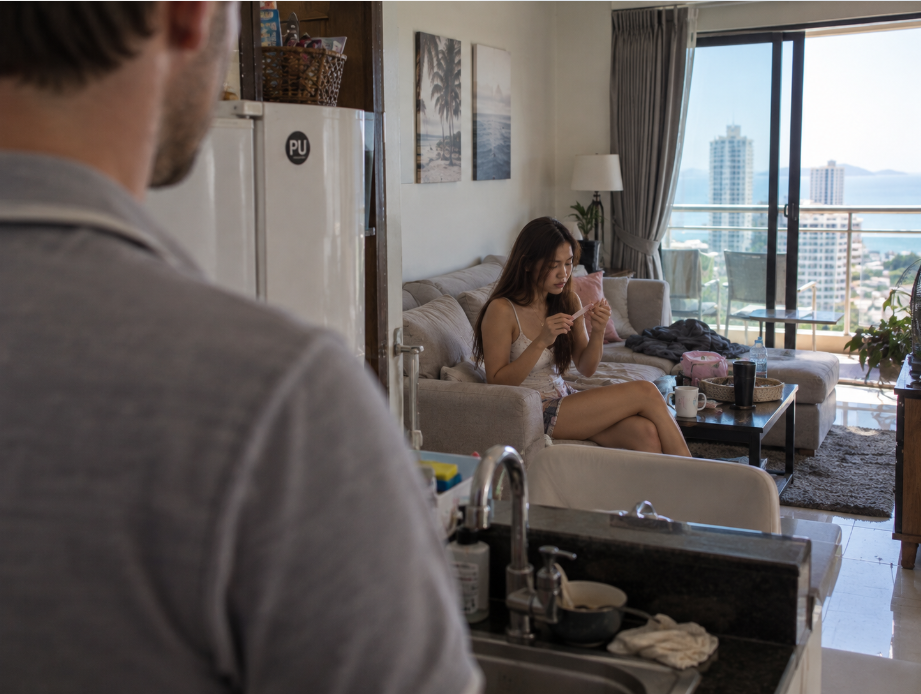
Then came the most dangerous phase: the Price of Illusion. This transaction didn’t happen in the bar. It happened in his rented apartment in Jomtien. Ploy didn’t just sleep there; she began managing his life. She folded his laundry with military precision. She memorized exactly how he liked his tea. She went to the local market and cooked dinner, sitting on the floor while he ate at the table. Arthur looked at this domestic perfection and made a fatal psychological error. He mistook professional Thai hospitality for genuine romantic love. He forgot that domestic competence is a survival skill in this ecosystem, not a declaration of soulmate status. The illusion was flawless, and he paid for it by surrendering his common sense.
A year later, Arthur found himself facing the Price of Exit. The illusion had cracked. He had noticed the inconsistencies. He knew about the “sick buffalo” and the mysterious cousin in Surin who constantly needed roof repairs. He knew he was being drained. So why didn’t he pack his bags and leave?
Because the Price of Exit was no longer financial. It was psychological bankruptcy. To leave Ploy meant Arthur had to look in the mirror and admit that the last twelve months were a commercial transaction. He had to admit that he wasn’t special, that he wasn’t a savior, and that he was just another customer on a slightly longer contract. Worse, leaving meant returning to a quiet, gray terraced house in Sheffield to become invisible again.
Arthur looked at Ploy sitting on the sofa, quietly filing her nails. He knew exactly what this was. But the price of leaving was heavier than the price of staying. So, he walked into the kitchen, opened the fridge, and asked if she wanted him to pour her a glass of water.
Leave a Reply