If you sit at a corner bar on Soi Buakhao today and complain about the traffic, the overcrowded Baht buses, and the endless conveyor belt of arriving tourists, an older expat might nod in agreement. But if you get a few drinks into the guys who actually stayed here through 2020 and 2021, they will eventually confess a very dark, incredibly selfish secret.
They miss the plague years.
For two years, the brutal, relentless machinery of Pattaya completely stopped. The borders slammed shut, the airport emptied out, and the grid was unplugged.
Suddenly, Beach Road wasn’t a chaotic parade of tour buses and aggressive taxi drivers. It was a ghost town. You could ride a motorcycle down the dead center of Walking Street at midnight and hear absolutely nothing but the waves washing up on the sand and the hum of your own engine. There was no hustle. For the first time in history, the city belonged exclusively to the people who were trapped in it.
The transactional economy collapsed overnight, and something strange took its place: genuine survival.
Prices plummeted to the floor. Condominium landlords were begging people to stay for a fraction of the cost just to keep the water running. And the girls who were left behind weren’t looking for a sponsor to buy them a new iPhone; they were simply looking for someone to split a fifty-kilo bag of rice with.
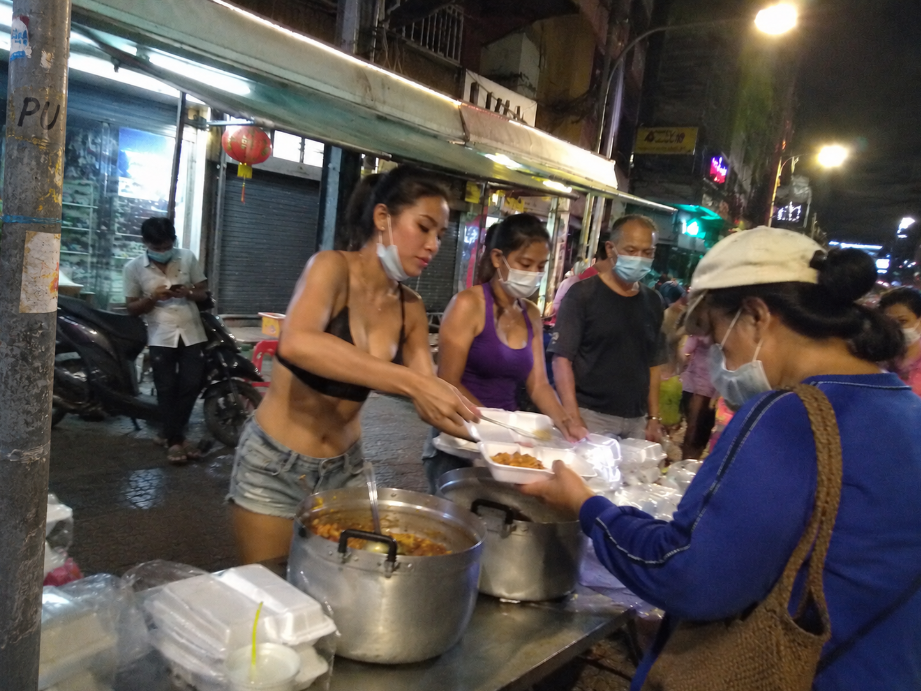
The invisible wall between the customers and the workers completely dissolved. We weren’t walking ATMs anymore, and they weren’t products. We stood side-by-side with girls who used to demand three thousand baht a night, sweating over massive aluminum pots on the sidewalk, cooking endless batches of pad kra pao and handing out styrofoam boxes to the lines of unemployed locals. We distributed food. We shared the shade. We survived together.
During those months, you could sit on an empty beach with a cheap bottle of local rum and a girl from Buriram, and for the very first time, you didn’t feel the ticking clock of a meter running in the background. The affection felt real, simply because the money was gone. The illusion of ownership was absolute. Everything was just for us.
Now, the gates are open again. The governor declared the high season. The traffic on Second Road is suffocating, the prices have doubled, and the conveyor belt is running at maximum speed. The girl who stood next to you handing out charity boxes in the heat is back on a bar stool, expertly convincing a tourist from Munich to buy her an overpriced tequila shot.
The grid has reset. The intimacy is over. But sometimes, when you are stuck in the gridlock, breathing in the exhaust fumes and looking at the endless crowds of fresh arrivals, you can’t help but quietly wish that everyone would just pack up, fly home, and leave the empty city to us again.
Leave a Reply